Hydrogen Chloride Detected Above Martian Cracks, Suggesting Possible Ongoing Volcanic Activity
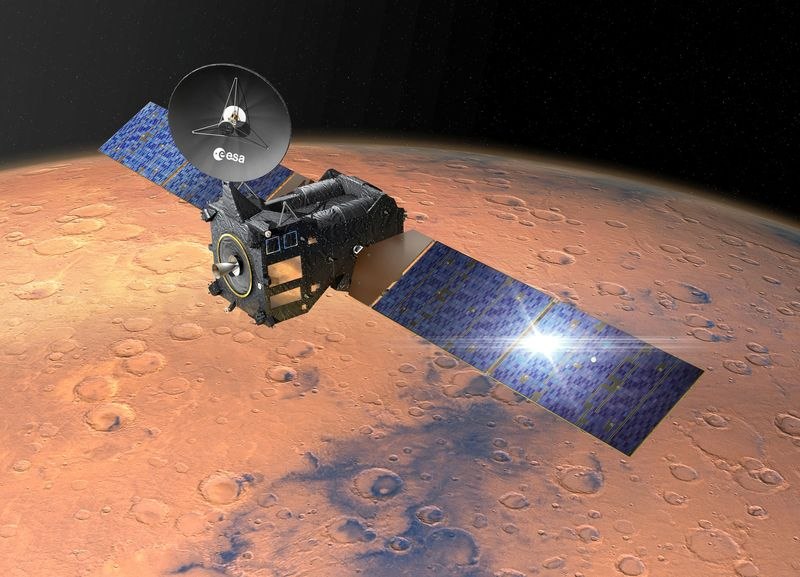
The ESA-Roscosmos ExoMars Trace Gas Orbiter detected hydrogen chloride in Mars' lower atmosphere over Alba Mons surface fissures, with volcanic outgassing identified as the most probable source (*Science Advances*). The gas peaks each early summer, likely due to melting ice in fissures releasing subsurface magmatic gases. A persistent subsurface magma heat source could generate hydrothermal environments conducive to microbial life.
Hydrogen Chloride Detected Above Martian Fissures, Possibly Indicating Ongoing Volcanic Activity
The ExoMars Trace Gas Orbiter, a joint mission between the European Space Agency and Roscosmos, has detected hydrogen chloride in the lower atmosphere above surface fissures in the Alba Mons region of Mars. The research team believes the most likely source is volcanic degassing. The findings have been published in Science Advances.
The gas peaks each early summer, suspected to be caused by the melting of ice within the fissures, which allows subsurface magmatic gases to escape. If a subsurface heat source from magma still exists, it could potentially create hydrothermal environments suitable for microbial life.
Source: Wausau, Stevens Point